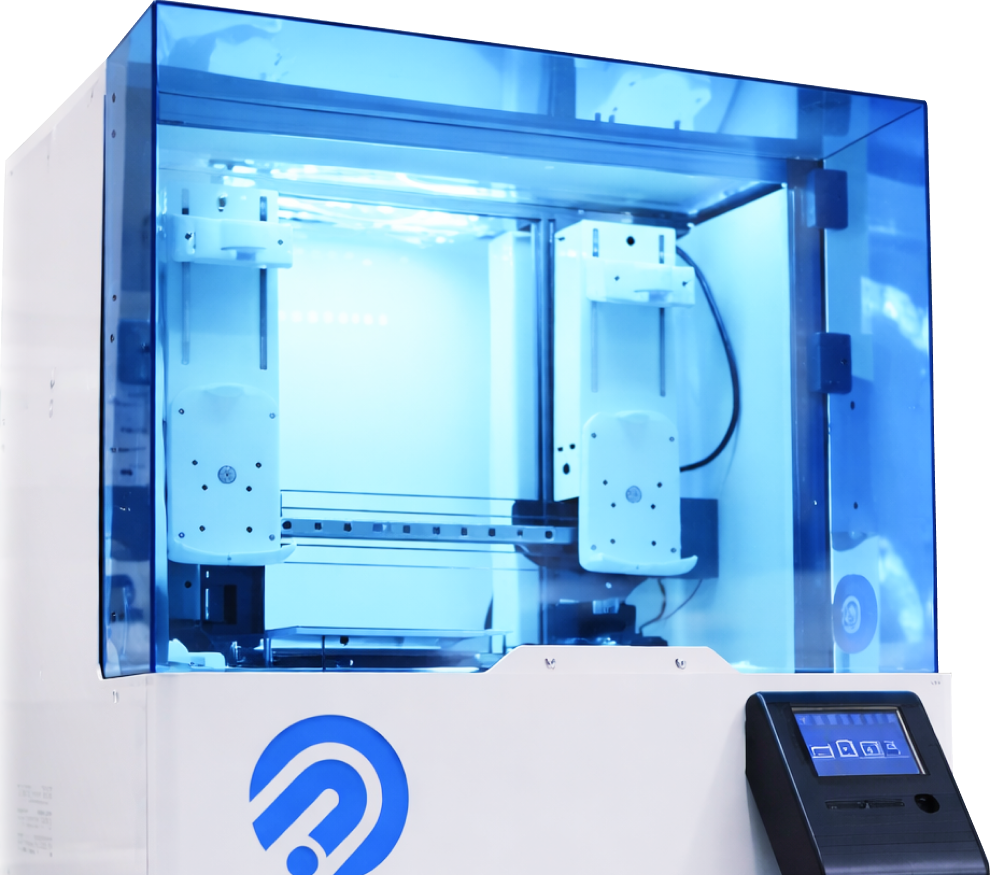

Medications can be dosed and produced in various formats, allowing personalization based on individual volume and adaptation for pediatric and geriatric use.
The National University of Córdoba, within the framework of “Science in Action,” presented a 3D medication printer project in Córdoba, which was recognized with the Innovar 2023 Award. This advancement will enable medication dosing according to each patient’s body volume and allow forms and sizes to be adapted for pediatric and elderly use.
Researchers from UNC and CONICET created a 3D medication printing platform to produce a wide variety of drug forms and doses, tailored to the specific needs of each patient.
Santiago Palma, Secretary of Innovation and Technological Linkage at the National University of Córdoba, stated in an interview with Cadena 3 that “the personalization of pharmacotherapy is essential and was a technological challenge that is now possible with 3D printing.”
Juan Pablo Real, Daniel Real, and Enzo Moriconi are the creators of this innovative invention that could revolutionize the pharmaceutical market.
“What Nespresso did by bringing café-quality coffee into the home, we do by bringing the printer and materials into pharmacies, enabling personalization,” highlighted Daniel Real, one of the inventors.
The product, already patented, has been sold to Chile and Ecuador, with Paraguay to follow soon, and the team is seeking a patent in the United States.
“They have an advantage: unlike traditional 3D printers that melt filaments at 190°, theirs can do so at 40 degrees. This expands the range of molecules that can be incorporated, for example enabling the generation of proteins for biological medications,” Real noted.
The goal is to counter the traditional concept of standardized pharmacy medications. With the printer, each medication is manufactured according to the patient’s needs and body type; capsule dimensions and concentrations can be adjusted (for those who need to take many different pills, they can be combined into one), and medications are also created according to specific demands.
For his part, Santiago Palma emphasized that it is “a technology-based university” and that the idea is intellectually protected, with prospects of being widely adopted. “It helps us achieve a better quality of life and adapt medications to improve criteria and usage.”
The university aims to change the paradigm known to date, seeking a future in which pharmacists load the cartridge—without powders or solvents—and, once printing is complete, the product is ready for consumption.
“Viva la Radio” interview.
.webp)
The 3D printer that manufactures medications and was made in Córdoba
Medications can be dosed and produced in various formats, allowing personalization based on individual volume and adaptation for pediatric and geriatric use.
.webp)
Personalized medicine moves forward with a Córdoba hallmark
Pill.ar is a local startup that could revolutionize the pharmaceutical industry by adapting treatments to the specific needs of each patient. With an initial investment of USD 250,000, it aims to supply the domestic market and export.
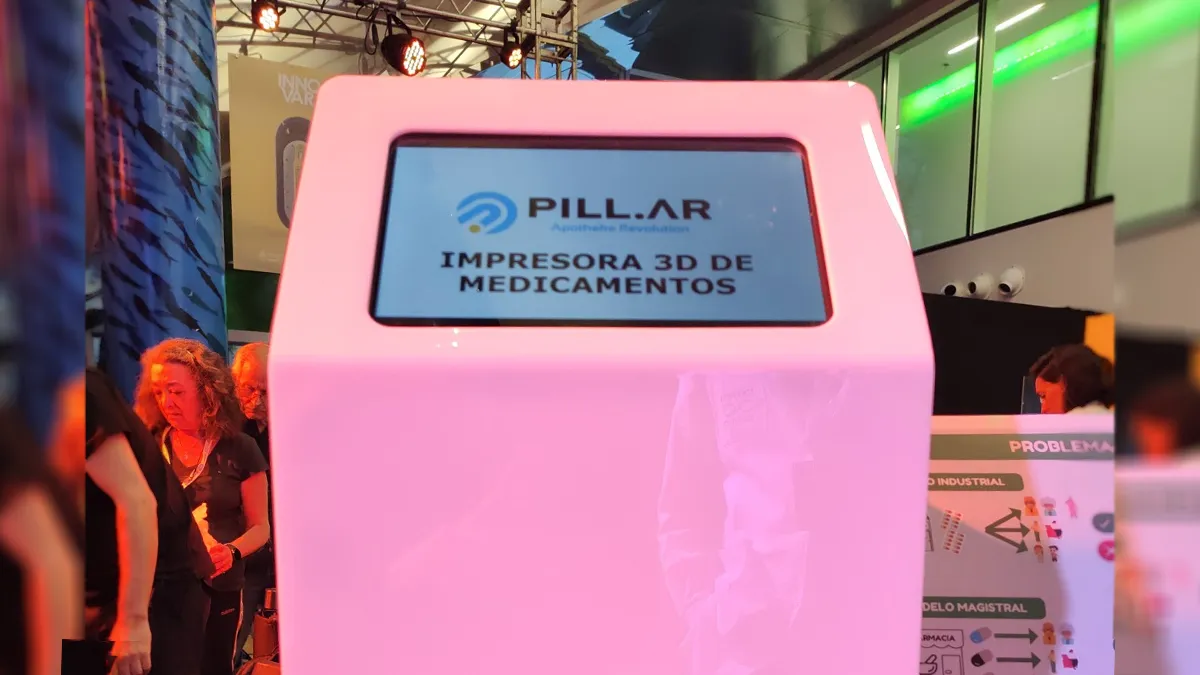
PILL.AR, the Córdoba-based startup aiming to revolutionize the pharmaceutical industry
A group from Córdoba seeks to personalize medical treatments according to patient needs. The story of the company that 3D prints medications
The future of medication is already underway
If you are a patient, healthcare professional, clinic, or pharmacy, PILL.AR enables you to be part of a new model of personalized medicine.