
Green light for Pill.Ar: personalized 3D-printed medications arrive in pharmacies
The Córdoba-based startup developed a method approved by the Córdoba Ministry of Health that enables the production of custom-made capsules, the integration of multiple drugs, and greater precision in complex treatments.
The Córdoba-based startup Pill.Ar has taken an unprecedented step in the Argentine pharmaceutical industry: it developed a 3D printing method for medications that was recently approved by the Córdoba Ministry of Health, enabling its official production in pharmacies.
The innovation makes it possible to personalize pharmacological treatments and combine regimens that previously required multiple pills into a single capsule, eliminating the need to split tablets or adapt standardized doses.
“The idea is to redefine the pill organizer and stop cutting tablets. Complex treatments can be resolved in a single capsule designed by the doctor and tailored to each patient,” explained Enzo Moriconi, CEO and co-founder of Pill.Ar.
How 3D printing of medications works
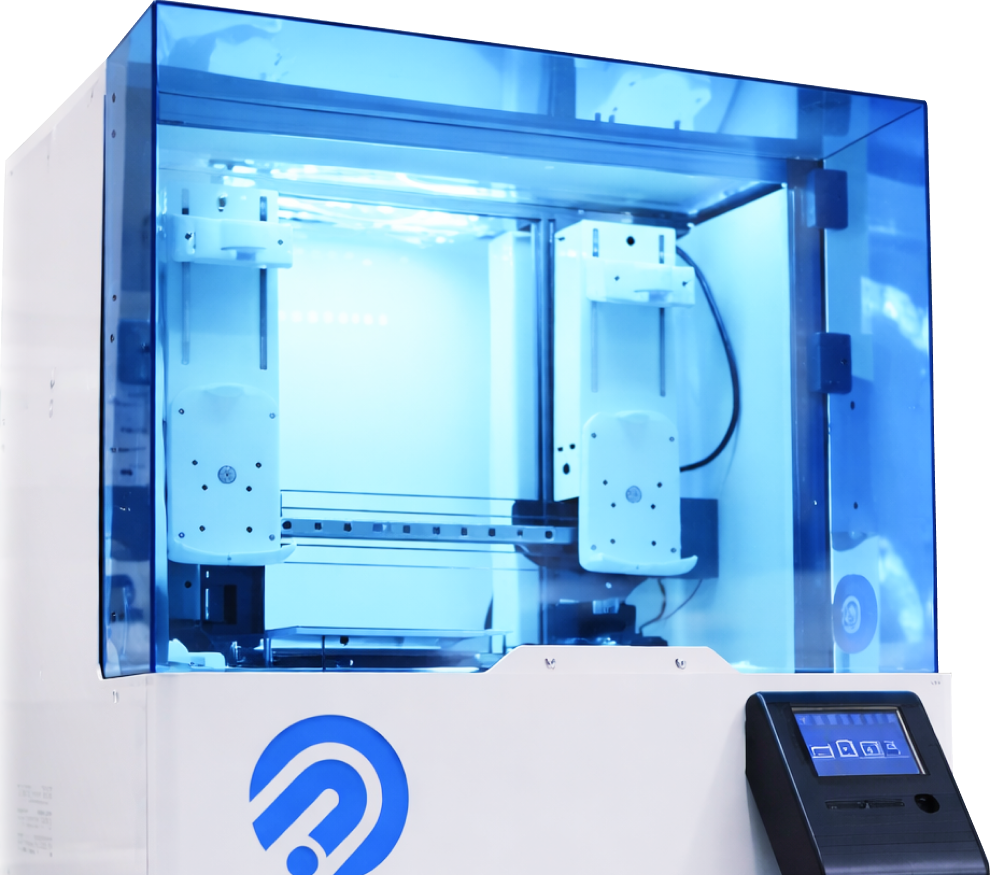
The system developed by the startup is based on computer-assisted, multi-layer 3D printing—an additive manufacturing process in which each layer is formulated, dosed, and printed independently.
“Different cartridges are used for different layers, which ensures their independence. Sometimes, within the same layer, there may be more than one drug because they are compatible and can be delivered together; if not, they are printed in separate layers,” Moriconi explained.
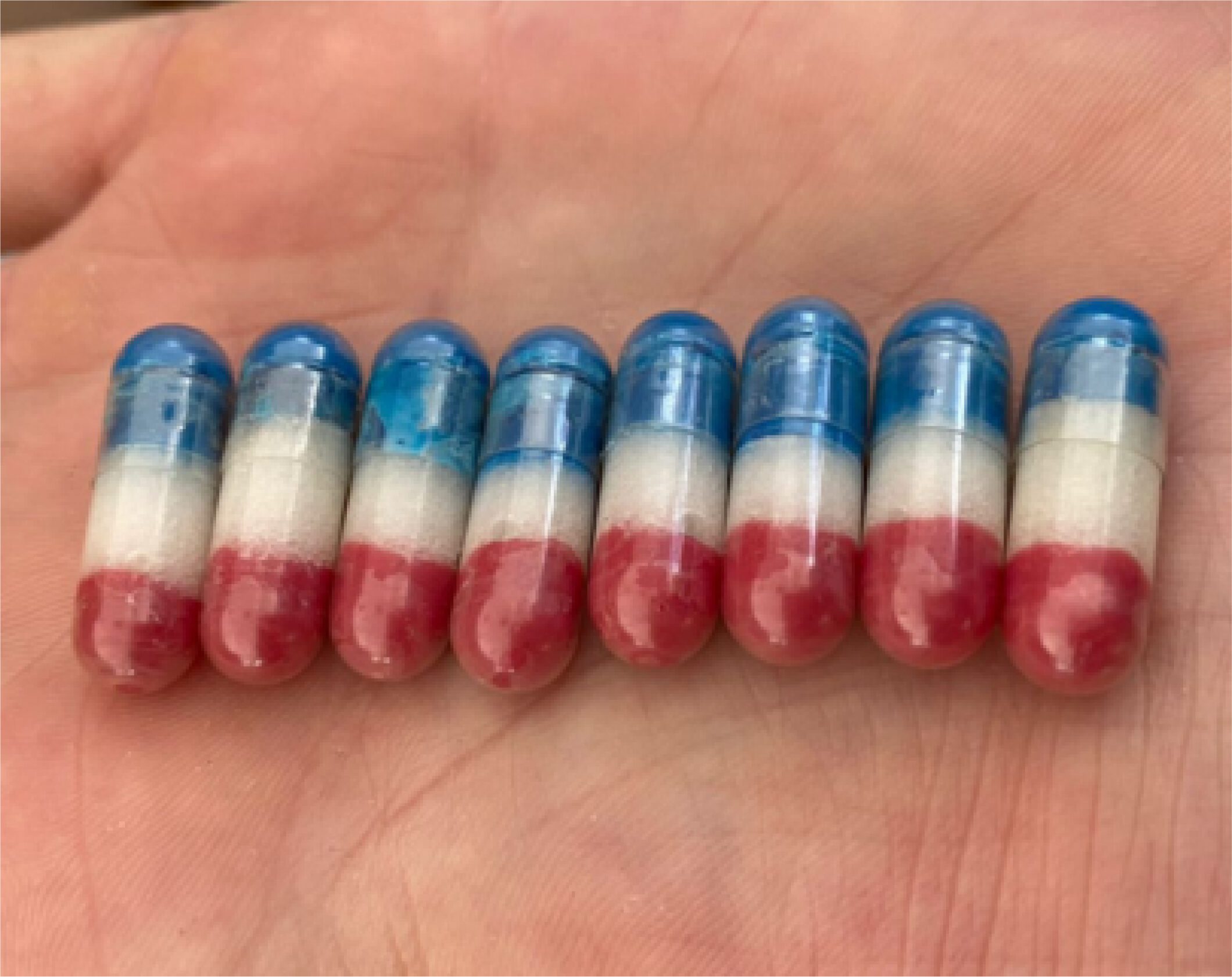
This technology makes it possible to:
- Integrate multiple active ingredients into a single capsule.
- Divide treatments into separate day and night capsules.
- Adjust safe microdoses without splitting tablets.
- Prevent unwanted interactions and therapeutic overlap.
The first prototype of the system, the Pill.Lab printer, automates 75% of the production process and guarantees precise dosing in every capsule.
“Our technology enables five times greater precision in small-scale production, known as compounding or officinal medicinal products (OMP). It sets an entirely new standard for the preparation of personalized medications in pharmacies,” the CEO stated.
A new model of prescription, production, and consumption
The approval of the method does not replace doctors, pharmacies, or laboratories; instead, it redefines the relationship between them. The process begins with a personalized medical prescription, created by professionals who use Pia, the digital prescribing assistant developed by Pill.Ar.
This system allows the design of complex therapeutic regimens and validates doses, compatibilities, interactions, and current regulations in real time.
“Instead of brands or commercial dosages, doctors prescribe active ingredients within a single capsule, or in separate day and night capsules, depending on the therapeutic plan,” Moriconi explained.
Once the prescription is issued, the patient uploads it to the Pill.Ar platform, which routes it to an authorized pharmacy. There, the medication is produced in the pharmacy’s own lab using the specialized printer, guided step by step by dedicated software. Finally, it is dispensed directly to the patient.
“Pharmacies that used to encapsulate powders or prepare formulas manually can now produce personalized medications with industrial-level precision. But the pharmacist can only manufacture them if the formula complies with all method protocols and current regulations,” he clarified.
The preparations use certified raw materials—that is, the same active ingredients used by the pharmaceutical industry, sourced from authorized distributors.
“We’re not creating new drugs, but a new way of producing them—safer, without unnecessary preservatives, and tailored to each individual,” Moriconi emphasized.
.webp)
Current access and reach
Currently, one pharmacy in the city of Córdoba, located in Alto Alberdi, has special authorization and the printer under a technology license to produce these medications.
The system does not yet work with health insurance providers: treatments are paid out of pocket, although some pharmacies recognize this type of prescription under a reimbursement model.
While it is not yet a mass-scale method, the startup plans to expand its network of printers to more pharmacies in Córdoba, across the province, and throughout the rest of the country as local regulatory approvals are completed.
Next developments and focus on mental health
The platform already works with more than 30 active ingredients, including melatonin, magnesium, riboflavin, dutasteride, coenzyme Q10, and vitamins C, D, and B12, as well as nutraceuticals used in treatments for migraines, anxiety, menopause, personalized supplementation, and nutritional deficiencies.
The next focus will be on mental health, where dose personalization has strong clinical backing.
“Our upcoming developments will be oriented toward benzodiazepines and depression. With this technology, we can carry out treatments that doctors currently don’t have the tools to implement, such as the gradual withdrawal of medications without the patient experiencing adverse effects,” Moriconi said.
Feedback from the sector has been positive. “For pharmacists, it optimizes the production process, and for doctors, it means healthier patients thanks to a tool that enables precise dosing,” he concluded.
Argentine technology with global projection
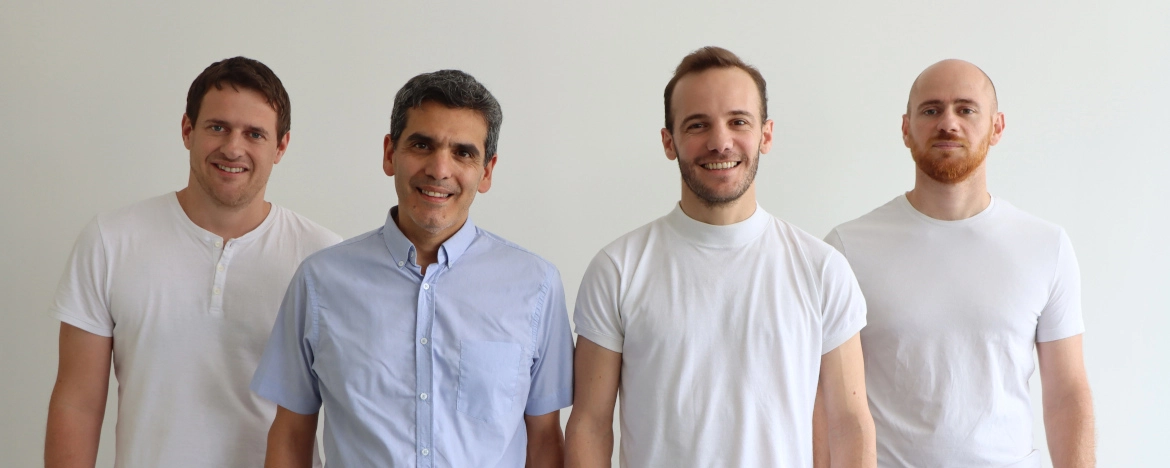
Pill.ar’s method originates from a joint patent between CONICET and the National University of Córdoba (UNC). The company is backed by the SF500 fund and angel investors, and was founded by Enzo Moriconi (CEO), Daniel Real (CTO), Santiago Palma (CSO), and Juan Pablo Real (COO). Currently, the first 3D-printed medications are being used at Instituto Conci Carpinella, by private physicians, and in the first pharmacy authorized to produce PSOs using this technology.
.webp)
The 3D printer that manufactures medications and was made in Córdoba
Medications can be dosed and produced in various formats, allowing personalization based on individual volume and adaptation for pediatric and geriatric use.
Personalized medicine moves forward with a Córdoba hallmark
Pill.ar is a local startup that could revolutionize the pharmaceutical industry by adapting treatments to the specific needs of each patient. With an initial investment of USD 250,000, it aims to supply the domestic market and export.
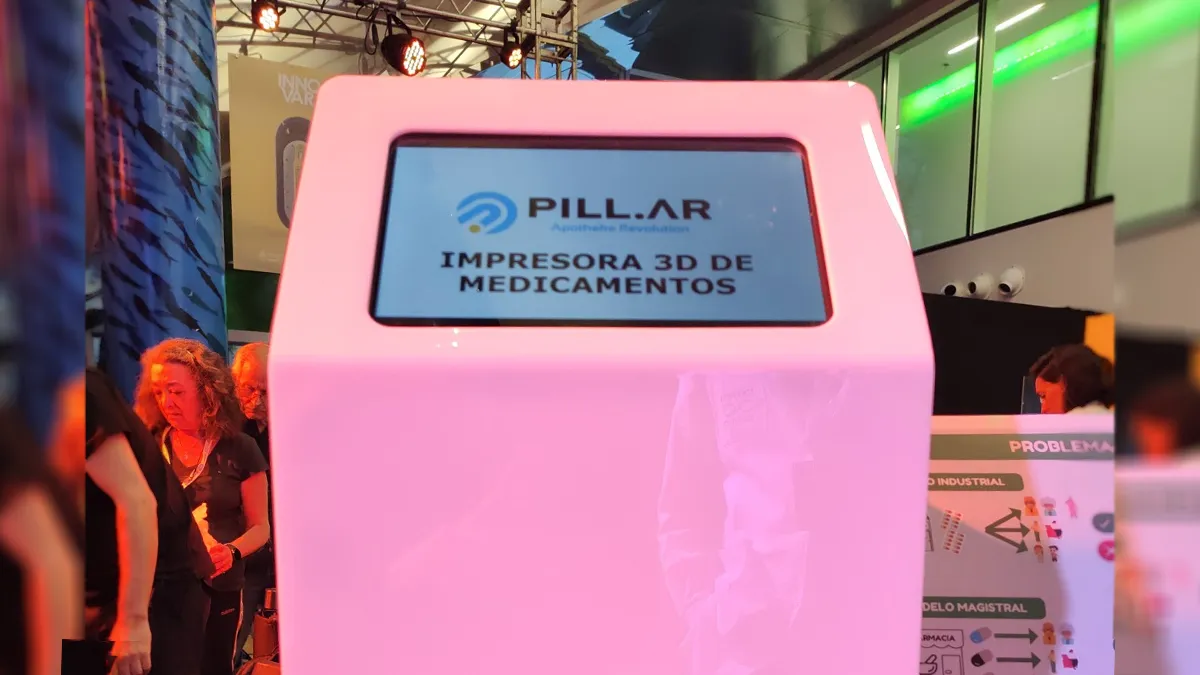
PILL.AR, the Córdoba-based startup aiming to revolutionize the pharmaceutical industry
A group from Córdoba seeks to personalize medical treatments according to patient needs. The story of the company that 3D prints medications
The future of medication is already underway
If you are a patient, healthcare professional, clinic, or pharmacy, PILL.AR enables you to be part of a new model of personalized medicine.