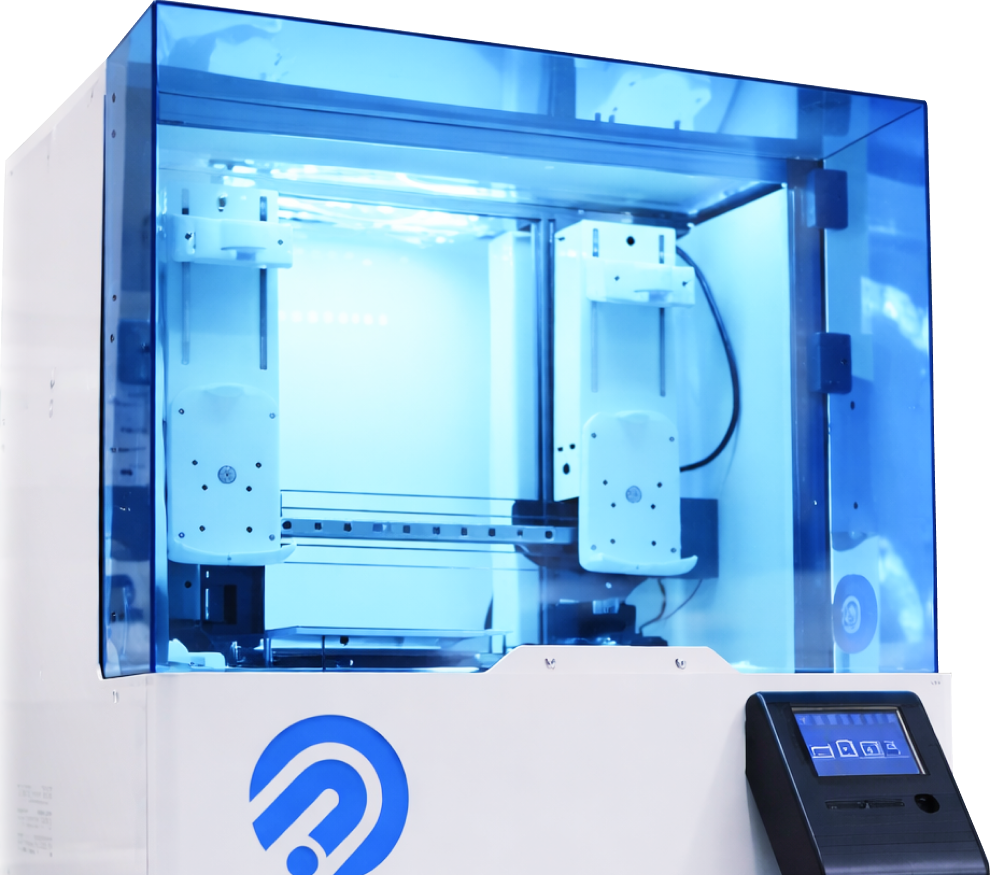

The Córdoba-based startup that manufactures personalized medicines using 3D printers
Medications can be dosed and produced in various formats, allowing personalization based on individual body volume and adaptation for pediatric and geriatric use.
In a milestone for personalized medicine, researchers from the National University of Córdoba (UNC) and the National Scientific and Technical Research Council (CONICET) developed, through their startup Pill.Ar, an innovative 3D medication printing platform. This technology makes it possible to produce a wide variety of drug forms and doses, specifically tailored to the needs of each patient.
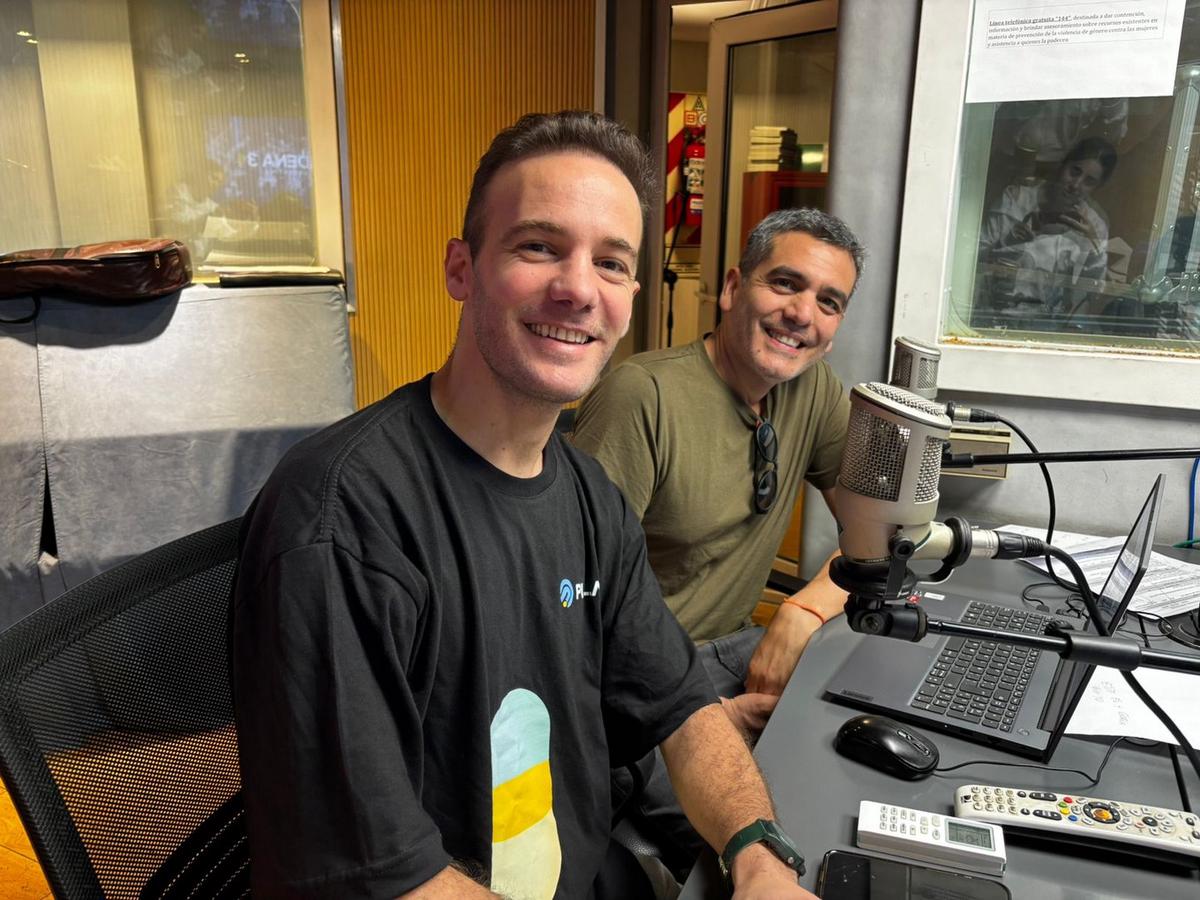
The breakthrough aims to overcome the limitations of standardized medications, which often fail to account for individual differences among patients. According to Santiago Palma and Enzo Moriconi, founders of Pill.Ar, in an interview with Cadena 3, the platform enables precise medication dosing based on each person’s body volume, optimizing effectiveness and reducing potential side effects.

Particularly beneficial for vulnerable groups, the system allows the shapes and sizes of medications to be adapted for pediatric use and for older adults. For example, in children, more user-friendly and easier-to-swallow formats can be created, while for older adults, they can be adjusted to their motor or digestive abilities.
“We are a startup that develops 3D-printed medications to simplify treatment regimens so that people can access a simple therapy, even in a single capsule,” Enzo explained.
At Pill.Ar, they emphasize the importance of focusing on people and on how medications are consumed: “We adapt 3D printing so that it can help us simplify treatments,” Palma stated.
“All the medications we produce are made with a medical prescription. We are training physicians to use our technology,” they added.
.webp)
The goal of Pill.Ar is to transform the way medications are produced and distributed through the development of advanced equipment that enables decentralized, automated, and personalized drug production using additive manufacturing technology.
“In the medical world, 3D printing technology has been used since shortly before the pandemic. In the Americas, we are pioneers in this. In Europe, there are companies doing similar things,” they explained.
“Children metabolize medications differently, so adapting how we medicate children is very important. We have to think about people,” they noted regarding the creation of medicines for minors.
.webp)
The 3D printer that manufactures medications and was made in Córdoba
Medications can be dosed and produced in various formats, allowing personalization based on individual volume and adaptation for pediatric and geriatric use.
Personalized medicine moves forward with a Córdoba hallmark
Pill.ar is a local startup that could revolutionize the pharmaceutical industry by adapting treatments to the specific needs of each patient. With an initial investment of USD 250,000, it aims to supply the domestic market and export.
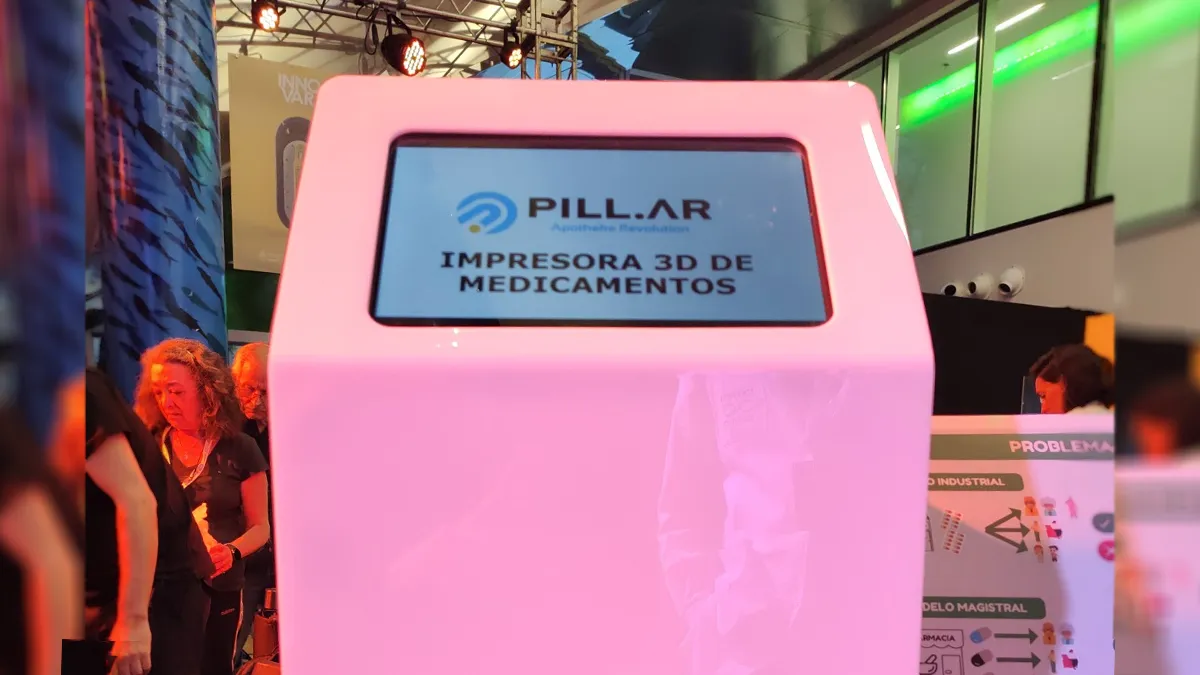
PILL.AR, the Córdoba-based startup aiming to revolutionize the pharmaceutical industry
A group from Córdoba seeks to personalize medical treatments according to patient needs. The story of the company that 3D prints medications
The future of medication is already underway
If you are a patient, healthcare professional, clinic, or pharmacy, PILL.AR enables you to be part of a new model of personalized medicine.